
Just two decisions
A viral drink is simpler than it looks. Strip it back and it's two decisions: the base — the canvas everything sits on, coffee, tea or milk-forward, hot or iced — and the signature ingredient — the one hero that defines the drink and gives it its name and its twist. Get these two right and the rest is finishing. Get them wrong and no amount of garnish saves it.
Choosing the base
The base is the canvas. Pick it for how well it carries your signature, not out of habit.
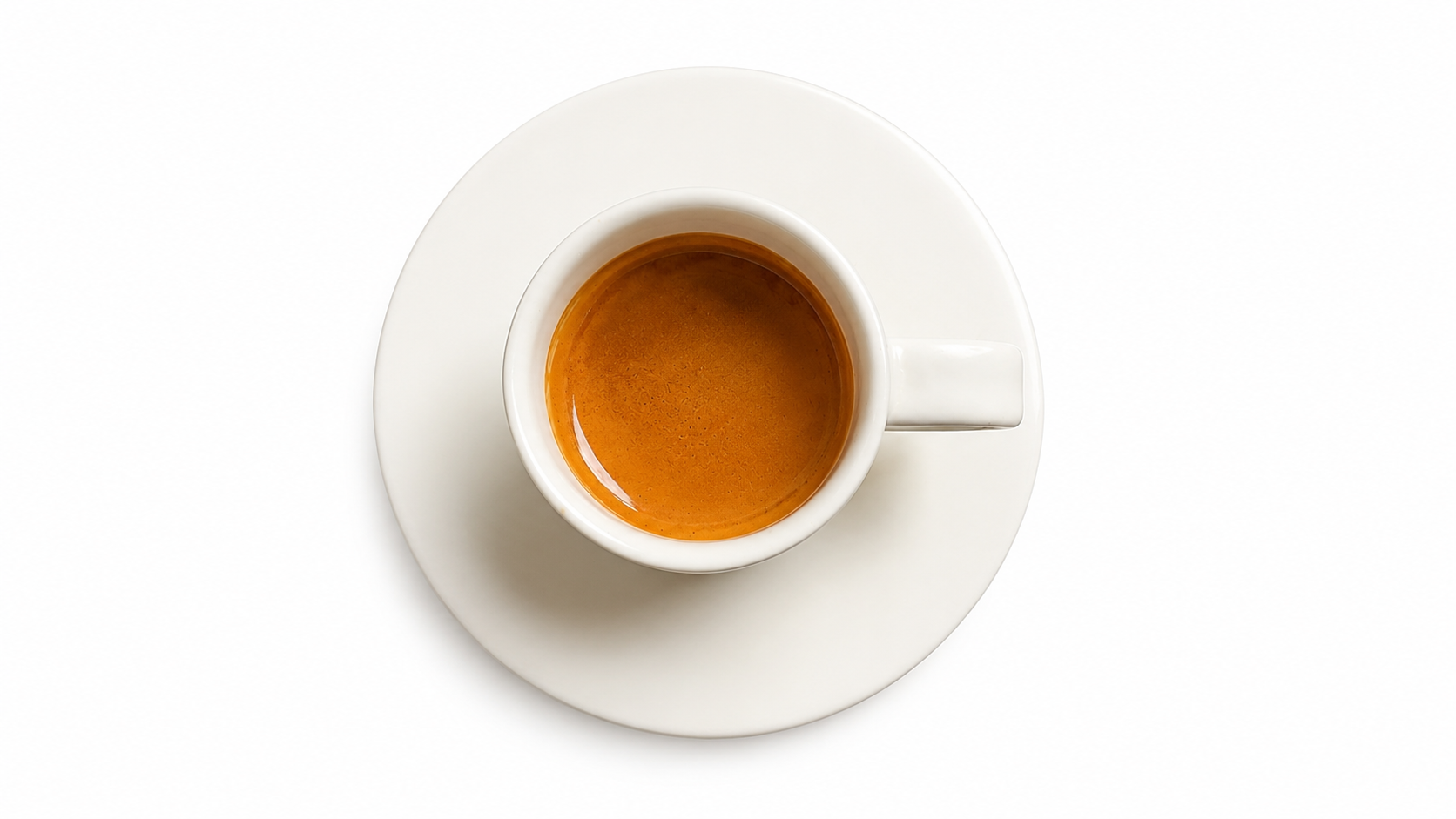

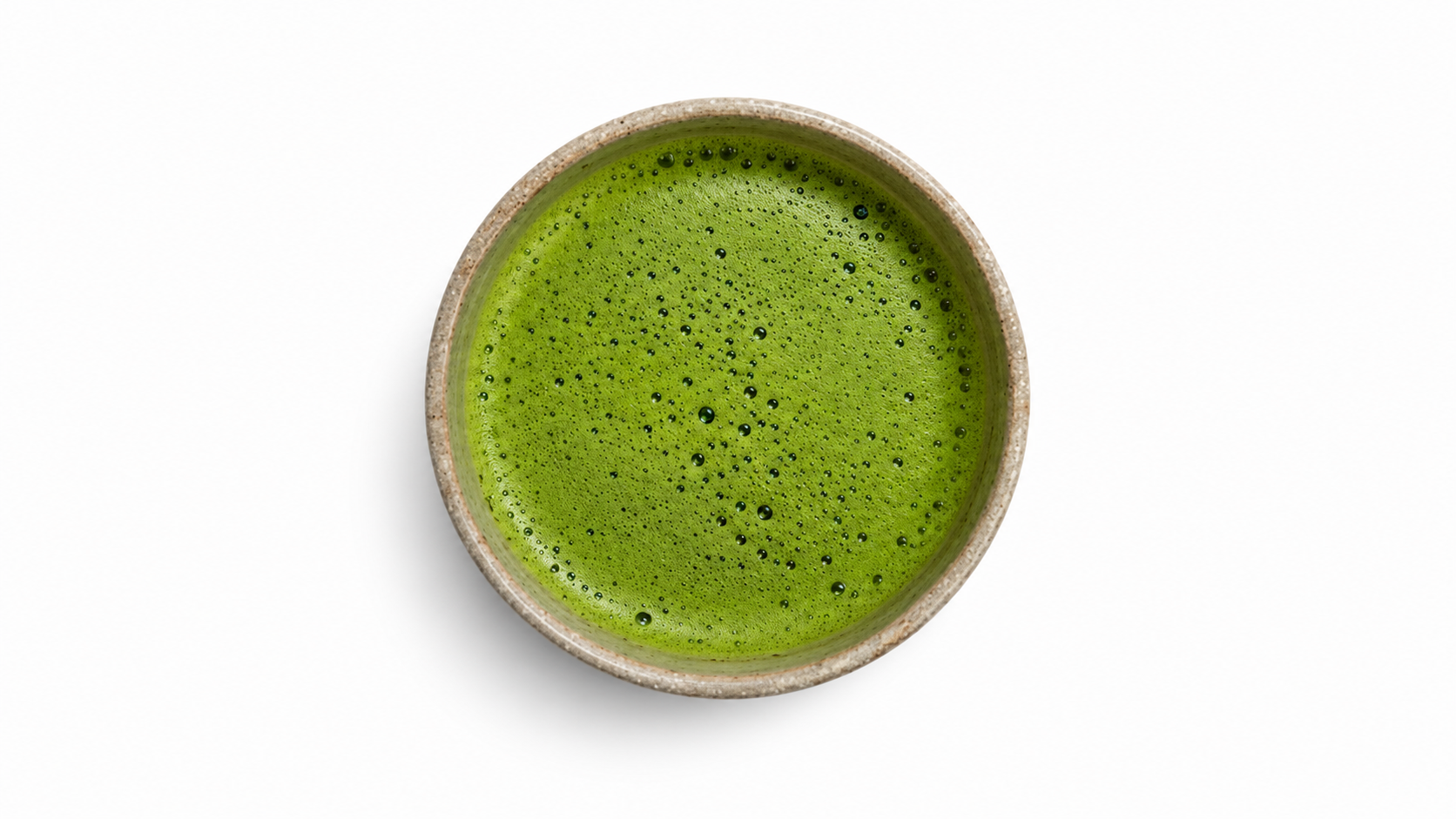
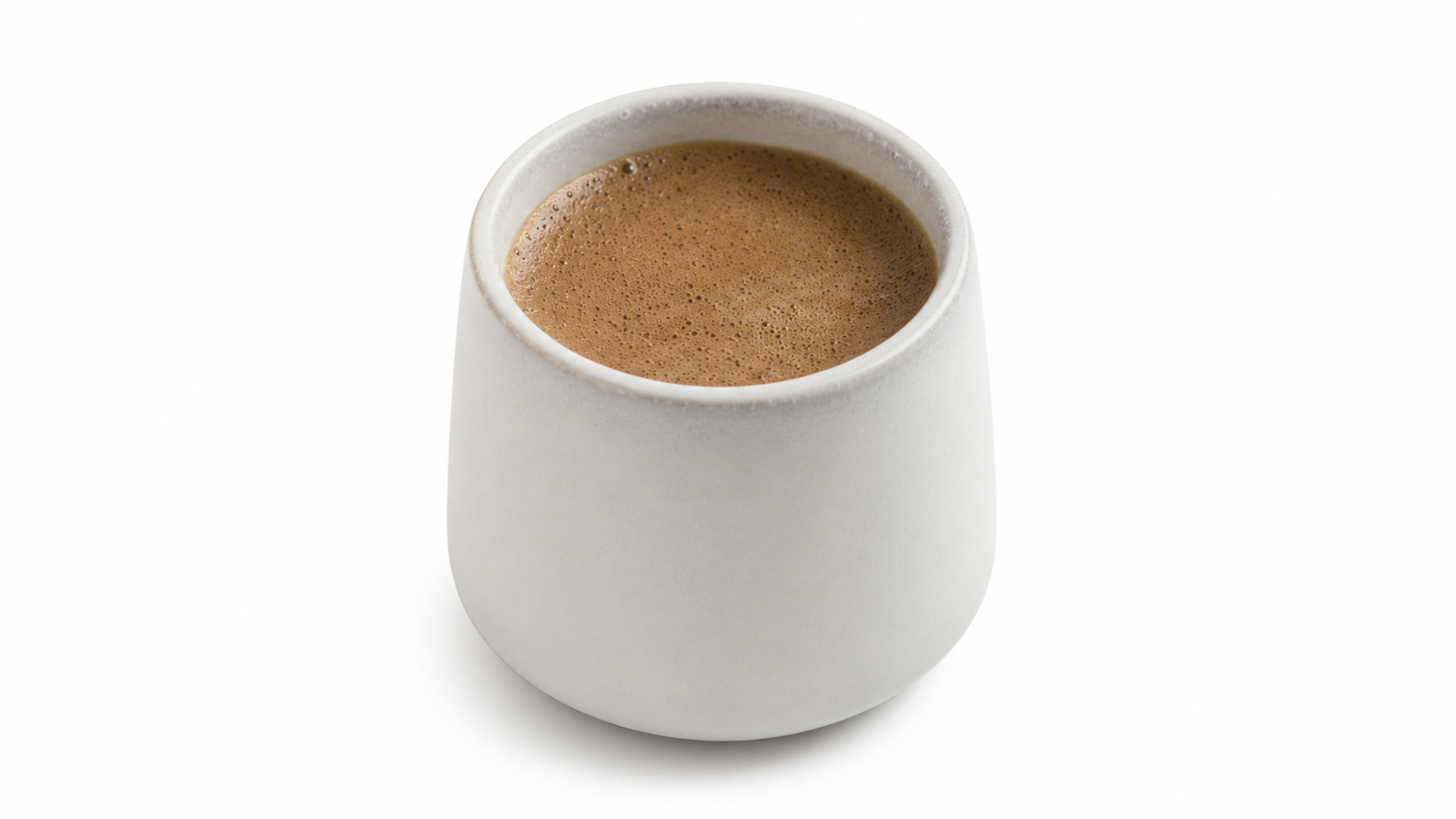
Your canvas. Pick the base that shows off your signature, not out of habit.
Espresso / coffee
Bitter, strong, adds contrast. Great when the signature is sweet or rich (chestnut, pistachio, Biscoff). The bitterness stops a sweet drink cloying.
Milk-forward (latte / cold foam)
The most flexible canvas. Creamy and neutral, lets colour and flavour show. Best when the signature is delicate or when the Look depends on colour (ube, pandan, strawberry).
Tea base (matcha, hojicha, chai)
Already trend-forward and brings its own colour. Good when you want the base itself to be part of the twist (matcha + pistachio, hojicha + oat).
Iced vs hot
Iced shows layers and colour, so it wins on the Look and photographs better. Hot suits comfort and foam-led serves. Most viral drinks are iced for exactly this reason.
Choosing the signature ingredient
The signature is the hook — the thing the drink is named after and remembered for. Three tests a good signature passes:
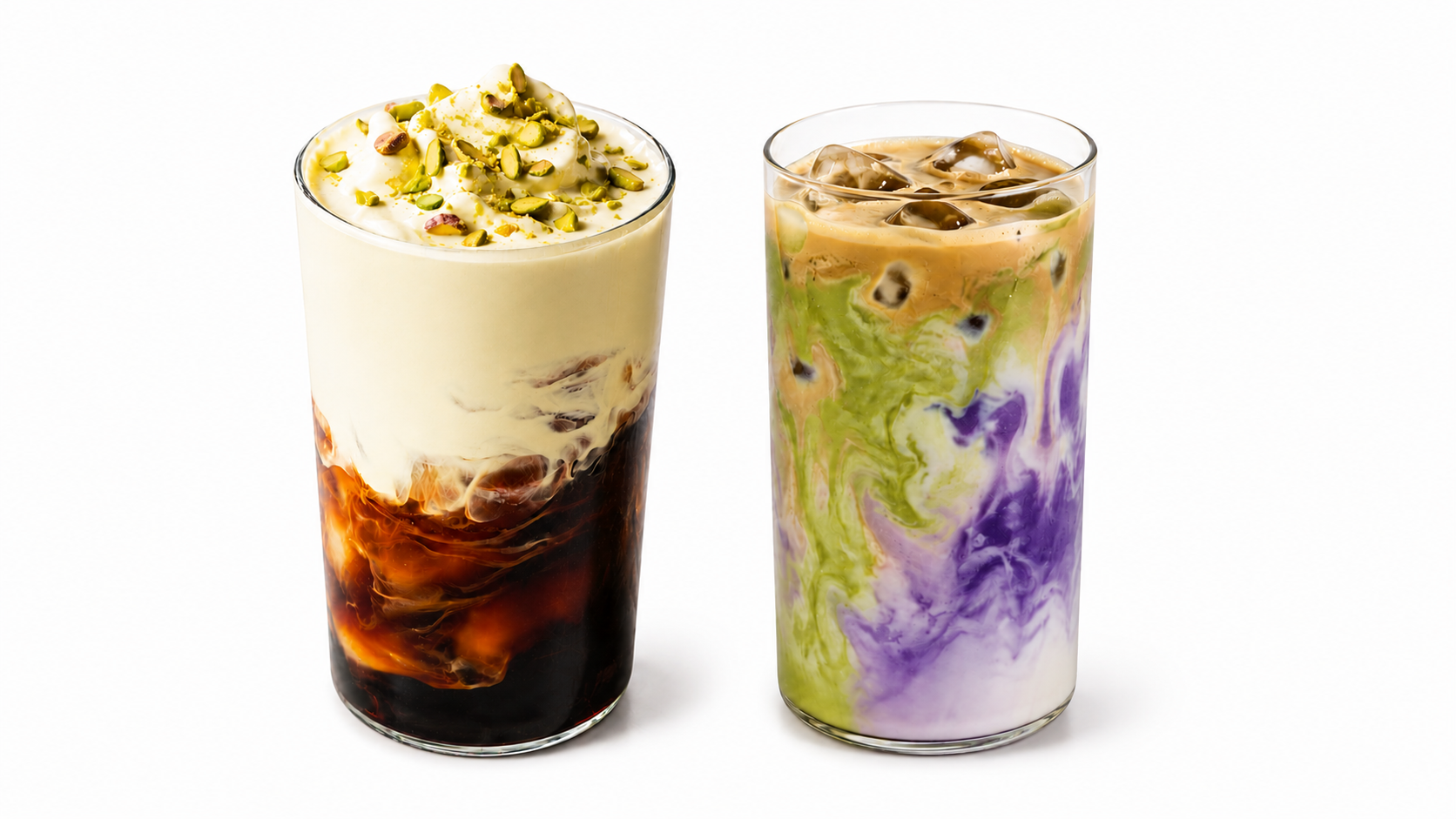
ONE hero ingredient. Three trend flavours at once isn't exciting, it's unnameable.
Making them pair
A base and a signature have to work together on the tongue, not just on paper.
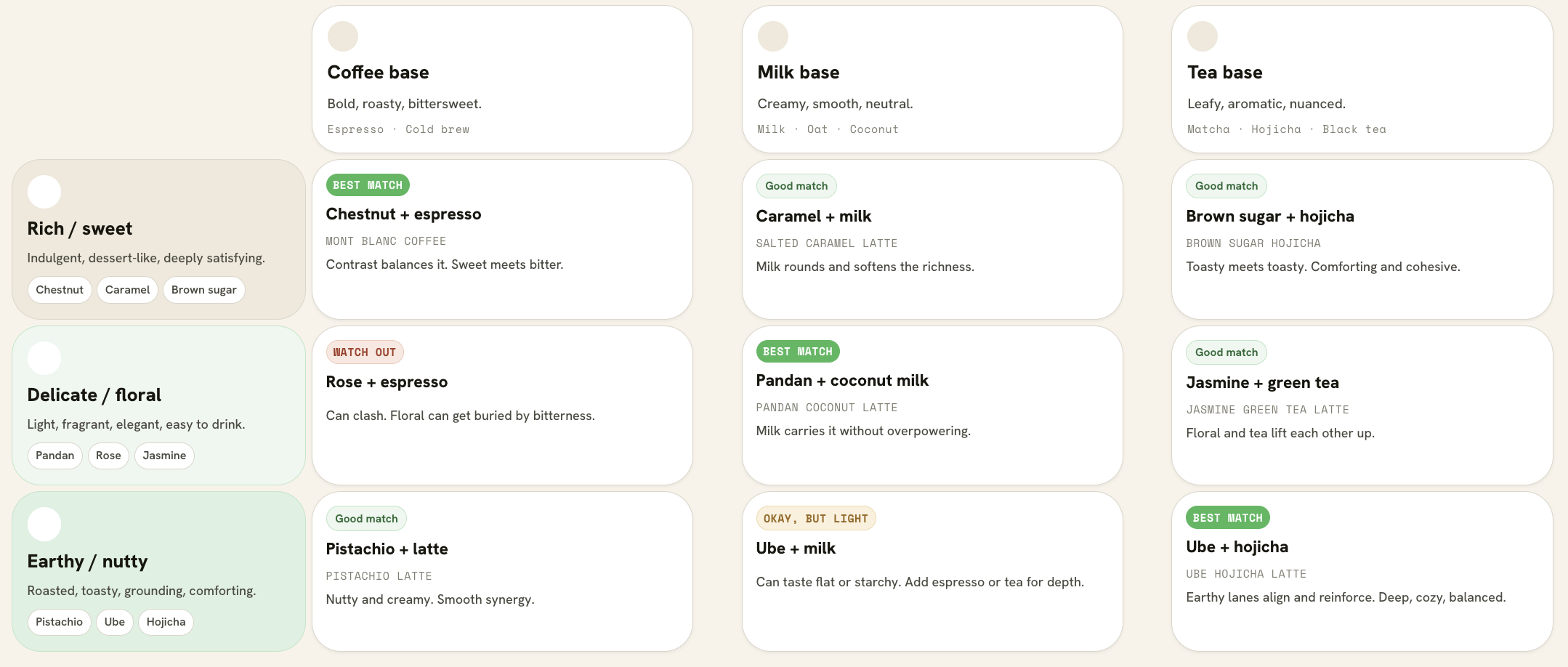
Match the signature to the base. Rich needs contrast, delicate needs a gentle canvas.
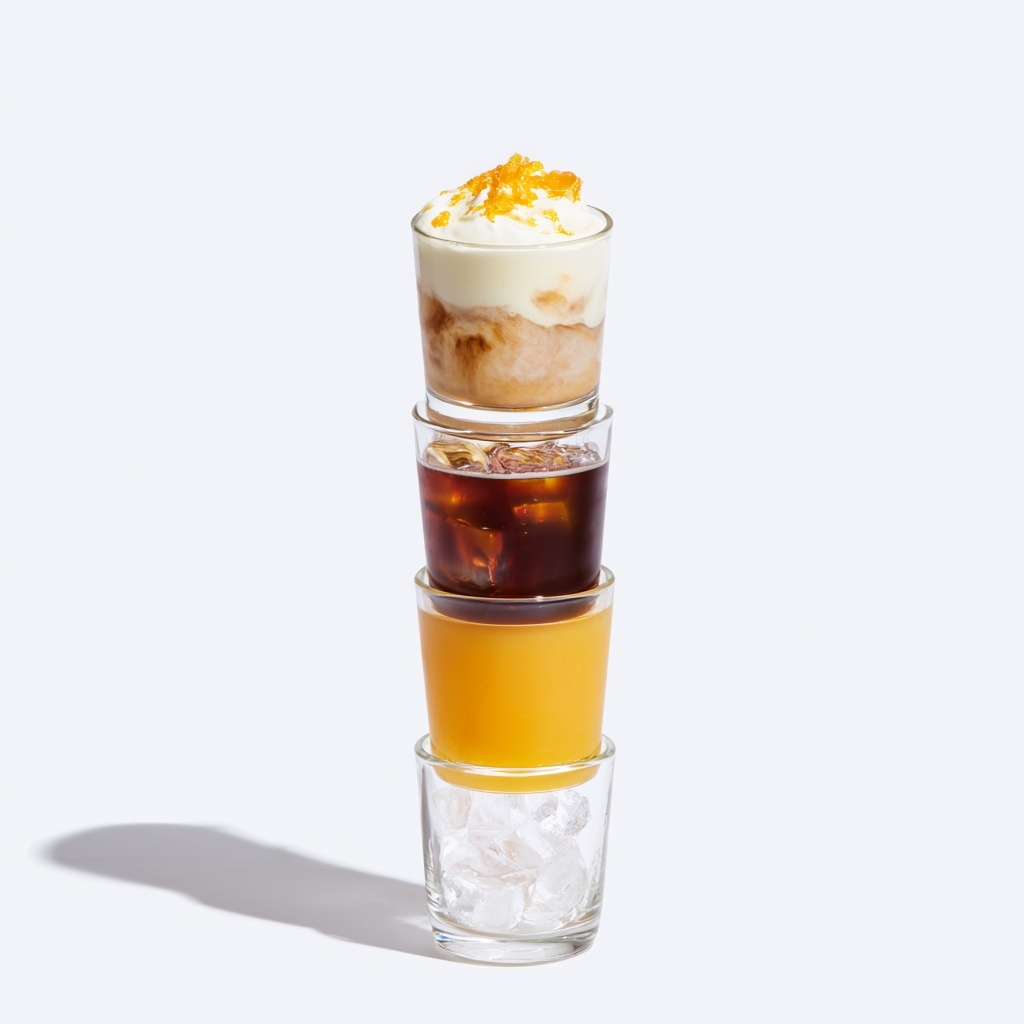
Mont Blanc coffee: espresso base for contrast, Orange-vanilla cold foam as the one hero. Everything else just supports.
Taste the base plus signature, nothing else, before you build the full serve. If those two don't taste good alone, garnish won't fix it.
Two decisions, made well
A viral drink looks complicated and usually isn't. Strip one back and it comes down to two decisions: the base, and the signature ingredient. The base is the canvas everything sits on. The signature is the hook, the thing the drink is named after and remembered for. Get these two right and everything after is just finishing. Get them wrong and no garnish will save it.
Start with the base, but choose it deliberately, not out of habit. A coffee or espresso base is bitter and strong, which makes it perfect under a sweet or rich signature — the bitterness stops the drink cloying, which is exactly why chestnut works over espresso in a Mont Blanc coffee. A milk-forward base, a latte or cold foam, is the most flexible canvas: creamy, fairly neutral, and pale enough to let colour and delicate flavour show. A tea base such as matcha or hojicha is already trend-forward and brings its own colour, so it works when you want the base itself to be part of the twist. And the choice between iced and hot matters: iced shows layers and colour and photographs better, which is why most viral drinks are served cold. The rule is to start from your signature and pick the base that makes it sing.
The signature ingredient is the hero, and it has to pass three tests. It has to be the twist — novel but familiar. It has to show up, ideally bringing colour or texture so it carries the Look as well as the taste. And it has to pair with the base, because it has to actually taste good on that canvas, not just look good in a photo.
The single most important rule in this lesson is one hero per drink. The fastest way to ruin a serve is to cram in three trending flavours at once. Ube and pistachio and pandan together isn't three times as exciting — it's muddled, and worse, it's unnameable, and a drink you can't name can't spread. Pick one signature, and let the base and the finish support it. A good test: if you can't name the drink after its one hero ingredient, you've got too many.
Finally, make the two actually pair. A rich, sweet signature wants a coffee base for contrast. A delicate or floral one wants a milk base that carries it without overpowering. An earthy signature sits happily on a tea base in the same flavour lane. And watch for clashes — bright citrus can split milk, a very bitter base can bury something delicate. Test it as a simple pairing first: just the base and the signature, nothing else. If those two don't taste good on their own, no amount of garnish will rescue the finished drink.
Next lesson, we take the base and signature you've chosen and build the full recipe around them.
What to remember
Test what you've learned
1. What are the two foundational decisions behind a viral drink?
2. What is the "one hero" rule?
3. Why does a sweet or rich signature often work best over a coffee base?
4. What's the quickest way to check a base and signature work together?
Optional reflection
Pick a rising flavour as your signature. Which base would you put it on, and why does that pairing work?